THE DOZENS: 12 CLASSIC BLUE NOTE GROOVES by Matt Leskovic
Alto saxophonist Lou Donaldsons 1970 Blue Note recording Everything I Play Is Funky opens with a corny but telling dialogue between the musicians. Donaldson starts:
Hey man, remember Funky Mama? That was one of my best recordings, baby. Alligator Boogaloo? Midnight Creeper? I dont play nothin but funky music, baby!
The leader is answered, Funky music is IN!
You know why I do that? Cause everything I play gon be funky from now on!
In the late 1960s, electric boogaloos, grooves and backbeats were the in thing at Blue Note records. Partially still a reaction to the overwhelming success of Lee Morgans funky hit The Sidewinder (1963) and partially a renewed interest in strengthening the African American aesthetic some believed to be increasingly marginalized in the music, many of Blue Notes biggest stars went funky and released some booty shakin tracks that rivaled the best grooves of the Meters, James Brown, or Sly Stone.
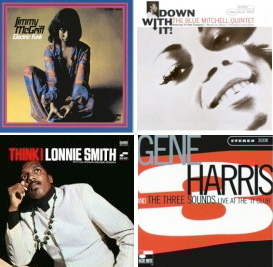
Many records from this period were not released on CD until the mid 1990s acid-jazz craze during which club DJs were mixing these vintage sounds into their marathon dance house sets. Many tracks were being heavily sampled in hip hop circles as well. Todays jazz funkstersSoulive, the Greyboy Allstars, Galactic, MMW, the Budos Band, among countless otherswould be lost without these tracks to lean on for direction and inspiration. Cynics and skeptics be advised: though these blues-based tunes are groove oriented with R&B and funk influenced backbeats, the improvisational quality and overall musicianship undoubtedly retains the Blue Note brilliance that we have come to expect.
The Blue Note archives are deep and soulful, and here are twelve of the best rare grooves.
Lou Donaldson: Donkey Walk
Musicians:
Lou Donaldson (alto sax),
Eddie Williams (trumpet)), Charles Earland (organ), Melvin Sparks (guitar), Jimmy Lewis (bass), Idris Muhammad (drums)
.Recorded: Englewood Cliffs, NJ, August 22, 1969
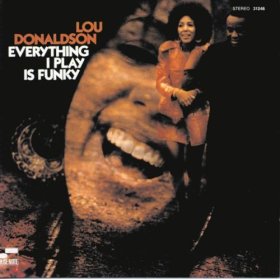
Rating: 93/100 (learn more)
Many jazz purists were enraged when Lou Donaldson ditched bebop for the boogaloo. One of the finest Bird-cloned altoists had chopped off his wings, jumped off the top of Bebop mountain and plummeted straight to the bottom of sell-out pit (please note my sarcasm).
In reality, Donaldsons sense of melody was never more astute than on his late-'60s Blue Note albums. His playing is bluesy, economical and reserved; his intent is not to blow your mind with flurried 16th notes and upper-structure dissonance, but to lure you in with a hook and hit you in your gut. When compared to his 1950s records, this approach may seem lazy to some, but it is the remarkable ease, logic and flow of his ideas that make his soul-jazz recordings just as essential. You wont simply be listening to Donaldsonyoull be feeling him.
On Donkey Walk, each chorus begins with a four-bar break that Donaldson fills masterfully with unparalleled soulfulness and clarity. In the plethora of funky beats that Idris Muhammad has dropped over the years, I dare to say that this is one of his catchiest and grooviest. Jimmy Lewiss Latin-tinged bassline is steady and vital and Charles Earland adds some excellent playing to the mix. Donaldson was a bold trendsetter, and this is one of his finest recordings.
Reviewer: Matt Leskovic
Blue Mitchell: Hi-Heel Sneakers
Musicians:
Blue Mitchell (trumpet), Junior Cook (tenor sax), Chick Corea (piano), Gene Taylor (bass), Al Foster (drums).
Recorded: Englewood Cliffs, NJ, July 14, 1965
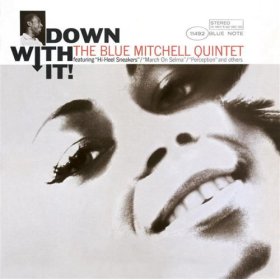
Rating: 90/100 (learn more)
After Lee Morgans The Sidewinder rocked jukeboxes nationwide in 1964, Blue Note started searching for its next big hit. More and more albums jumped off with a danceable, R&B-style track, though many can be written off as uninspired and diluted commercial compromises. Not Blue Mitchells high-class version of Hi-Heel Sneakers. This vigorous groover burns from beginning to end, driven by Taylors repetitive, blues bassline and Fosters determined ride cymbal. Having perfected their trade in Horace Silvers group, Mitchell and Cook are masters of concise, funky blues minimalism. Young Chick Corea adds some soulful statements of his own, showing flashes of the brilliance that would soon make him one of the most influential pianists of his generation.
Reviewer: Matt Leskovic
Grant Green: Ain't It Funky Now
Musicians:
Grant Green (guitar), Blue Mitchell (trumpet), Idris Muhammad (drums), Candido (congas),
Claude Bartee (tenor sax), Earl Neal Creque (organ), Jimmy Lewis (bass), Richie Landrum (bongos)
.Recorded: Englewood Cliffs, NJ, January 30, 1970
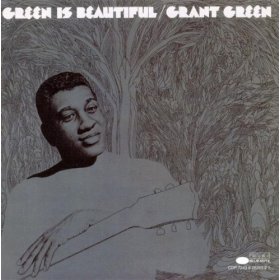
Rating: 100/100 (learn more)
This is the ultimate rare groovetrue funk perfection. The undemanding harmony forces the focus onto the rhythm, which is gritty, commanding, thick and multi-layered with flawless auxiliary percussion. Check out Idris Muhammads slammin drum breaks between 0:59 and 1:11wow!! During his funk phase, Green limited himself to blues pentatonics and a finite number of licks. He uses them brilliantly here, however, constructing the most exciting solo in his funk catalog. Bartee and Mitchell contribute sizzling improvisations that are so smart and melodic they are actually catchier and more singable than the melody itself. Infectious and powerful, this is unquestionably a must have recording, and it is guaranteed that one listen will not be enough.
Reviewer: Matt Leskovic
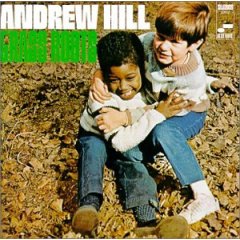
Andrew Hill: Soul Special
Musicians:
Andrew Hill (piano), Woody Shaw (trumpet), Reggie Workman (bass), Idris Muhammad (drums),
Frank Mitchell (tenor sax), Jimmy Ponder (guitar)
.Recorded: Englewood Cliffs, NJ, April 19, 1968
Rating: 90/100 (learn more)
With Andrew Hill, one of Blue Notes more idiosyncratic and challenging pianists, listeners can expect surprisesbut a boogaloo? There are always blues implications underneath Hills unique concept, and while the groove and harmony of Soul Special are undeniably funk based, the mix of improvisational styles sets it apart from other late-'60s rare grooves. Guitarist Jimmy Ponders licks come from the bottom of the soul-jazz bag, and tenorman Frank Mitchell unfurls some short, bluesy, bop-inflected phrases. With his pentatonicism, Woody Shaw is as in-the-pocket as ever (dig his shocking entrance). Hills ambiguous harmonic and rhythmic approach, however, stands out amongst all. His abstract phrasing and crunchy, dissonant clusters keep things distinctly avant-garde while still respecting the groove.
Reviewer: Matt Leskovic
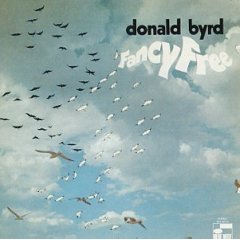
Donald Byrd: Weasil
Musicians:
Donald Byrd (trumpet), Frank Foster (tenor sax), Julian Priester (trombone), Duke Pearson (piano), Jimmy Ponder (guitar), Joe Chambers (drums),
Roland Wilson (bass), Nat Bettis (percussion), John Robinson (percussion)
.Recorded: Englewood Cliffs, NJ, June 6, 1969
Rating: 88/100 (learn more)
An under-recognized classic, Fancy Free highlights Donald Byrd in transition between his acoustic hard-bop period and his slick, controversial 1970s albums produced by the Mizell Brothers. This was the first time Byrd used electric piano on record, and the sly, loping, dramatically behind-the-beat Weasil is the standout track. It features a Frank Foster tenor solo for the agesfat-toned and confident, he speaks the blues with fierce authority. Drummer Joe Chambers adjusts his groove to each soloist, but retains a laid-back swagger and assurance that insist the track moves at his tempo. If your head isnt bopping within two seconds after pushing play, check your pulse. This one is that deep.
Reviewer: Matt Leskovic
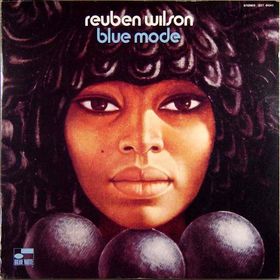
Reuben Wilson: Bus Ride
Musicians:
Reuben Wilson (organ),
John Manning (tenor sax), Melvin Sparks (guitar), Tommy Derrick (drums)
.Recorded: Englewood Cliffs, NJ, December 12, 1969
Rating: 84/100 (learn more)
Reuben Wilson achieved little notoriety while recording for Blue Note (he was dropped from the label within three years) but has since become an acid-jazz legend and a favorite of DJs and rare groove fanatics. More lazy Saturday afternoon joyriding with a bellyful of soul food than rush-hour Manhattan with a fistful of coffee, Bus Ride is all strut and no sprint. The unison Meters-esque melody is relaxed and unhurried; the groove is soulful, inviting and warm. Melvin Sparks shows why he was the first-choice guitarist for so many soul-jazz sessions, and unknown drummer Tommy Derricks loose but deep-pocket groove makes one wonder why he wasnt more in demand himself.
Reviewer: Matt Leskovic
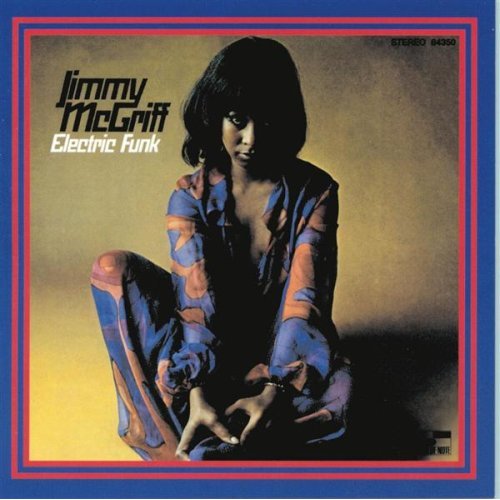
Jimmy McGriff: Back on the Track
Musicians:
Jimmy McGriff (organ), Stanley Turrentine (tenor sax), Blue Mitchell (trumpet),
Horace Ott (electric piano, arranger), others unknown
.Recorded: New York City, September 1969
Rating: 90/100 (learn more)
Though he considers himself to be first and foremost a blues musician, Jimmy McGriff straddles the demarcating lines between R&B, gospel, funk and jazz more comfortably than any organist in any genre. Electric Funk sounds like the lost soundtrack to an unreleased blaxploitation film and its first cut, Back On The Track, would be perfect for the opening credits. The deep-pocket bassist lays down some serious funk and the mystery drummer is so nasty hell make DJs drool. Always deeply soulful, McGriff preaches his own gospel with short exclamatory licks to fill the space allotted him in Horace Otts simple yet effective small big band arrangement. A standout track on the funkiest record in the Blue Note stacks.
Reviewer: Matt Leskovic
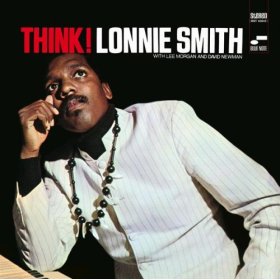
Dr. Lonnie Smith: Son of Ice Bag
Musicians:
Dr. Lonnie Smith (organ), Lee Morgan (trumpet), David 'Fathead' Newman (tenor sax), Melvin Sparks (guitar), Marion Booker (drums).
Recorded: Englewood Cliffs, NJ, July 23, 1968
Rating: 92/100 (learn more)
Having been steady organist in the bands of both Lou Donaldson and George Benson for almost three years, Lonnie Smith had plenty of experience before cutting his first Blue Note album as leader in 1968. Add the meaty frontline of Lee Morgan and Fathead Newman, and you get a rare groove that is not only funky but much more daring than your average soul-jazz session. The group sounds well rehearsed, and the arrangement is tight, yet there is an openness that gives the soloists the freedom to develop their solos modally and not simply string together regurgitated blues licks. Smith and company generate some highly creative, thoughtful improvisations that will encourage close listening. This is high-quality late-'60s jazzstraight, no chaser. It just happens to also be a hard groovin boogaloo.
Reviewer: Matt Leskovic
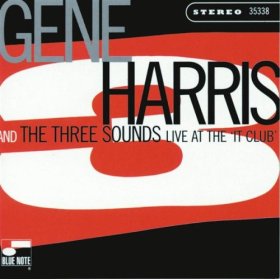
Gene Harris and the Three Sounds: I'm Still Sad
Track
I'm Still Sad
Group
Gene Harris and the Three Sounds
CD
Gene Harris and the Three Sounds Live At The It Club (Blue Note 35338)
Musicians:
Gene Harris (piano), Carl Burnett (drums), Henry Franklin (bass).
Recorded: Hollywood, March 6, 1970
Rating: 90/100 (learn more)
Im Still Sad proves that wires arent needed to conduct electricitythe Three Sounds have enough juice flowing from their limbs they could power the It Clubs entire lighting rig and then some. This acoustic trio doesnt simply set a groove, they work meticulously inside itshifting rhythms, dynamics and motives to keep things fresh. They have the chops and sympathetic ears that many soul-jazz groups lack, though their sophistication never distracts them from their game planfunkin out some gospel blues. Harris works with concise blues licks, playing a game of call and response with himself. Burnetts tight, snappy backbeat and Franklins lively bass lead the group towards a soul-jazz catharsis.
Reviewer: Matt Leskovic
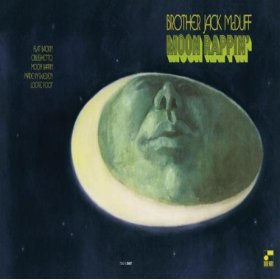
Brother Jack McDuff: Moon Rappin'
Musicians:
Jack McDuff (organ, piano), Richard Davis (bass),
Bill Phillips (tenor sax, flute), Jerry Byrd (guitar), Joe Dukes (drums), Others unknown
.Recorded: New York, December 3, 1969
Rating: 83/100 (learn more)
An 8-track copy of Moon Rappin should be stored safely in the dash of every 1970s Cadillac for emergency top-down cruising purposes. The bass-driven intro, supported by spacey guitar wahs, reverb-heavy, ringing piano chords and a smooth guitar counterpoint, establishes some untouchable funk that is both get down dirty and buttery slick. After the heavily textured melody meanders through a maze of unexpected harmonic twists and turns, McDuff rips over the original groove on his B-3 and then treats listeners to a rare acoustic piano solo. While the leader displays a surprisingly delicate touch, the group begins to ramble and things become a tad unfocusedperhaps a second soloist may have moved things along better. However, the flaws in execution are easily forgotten if you let yourself get lost in the groove. Itll be well worth it.
Reviewer: Matt Leskovic
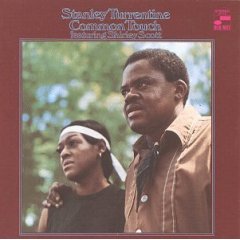
Stanley Turrentine: Buster Brown
Musicians:
Stanley Turrentine (tenor sax), Shirley Scott (organ), Jimmy Ponder (guitar), Bob Cranshaw (bass), Idris Muhammad (drums).
Recorded: Englewood Cliffs, NJ, August 30, 1968
Rating: 92/100 (learn more)
Buster Brown is one of the more polished and unforced-sounding boogaloos in the rare groove catalog, which is not at all surprising considering its cast of characters. Idris Muhammad sits alone on his throne as the undeniable boogaloo king, Bob Cranshaw brings the fluidity of an acoustic master to the electric bass, and Shirley Scotts sound is more controlled and less abrasive than other B-3ers. Turrentine possesses an instantly recognizable soundsmooth and round, yet earthy and soulful, making him sound more like a soul singer than any other tenor saxophonist before or since. The Sugar Man sings, cries, and wails his blues through his horn, and hell have listeners hanging on every soulful note.
Reviewer: Matt Leskovic
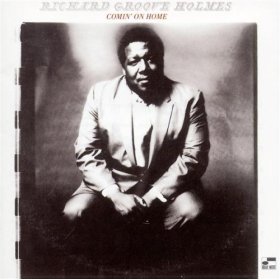
Richard 'Groove' Holmes: Mr. Clean
Musicians:
Richard 'Groove' Holmes (organ),
Weldon Irvine (electric piano), Gerald Hubbard (guitar), Jerry Jemmott (bass), Darryl Washington (drums), Ray Armando (congas), James Davis (percussion)
.Recorded: New York, May 19, 1971
Rating: 85/100 (learn more)
Less overtly R&B than other rare grooves, the psychedelic Mr. Clean is more Bitches Brew than it is James Brown. The groove is urgent and pressing, and harmonically it explores a darker, more mysterious side of soul-jazz. Holmes uses a spacey echo effect during his solo, priming his B-3 and the rest of his bandmates for liftoff. There is an intense energy that rumbles throughout the track, occasionally peaking like the cresting and crashing of waves as the group navigates a precarious alien soundscape. Mr. Clean sounds like no other song in the Blue Note rare groove catalog, and that alone makes it an intriguing listen.
Reviewer: Matt Leskovic
Add your comments here.