THE DOZENS: TWELVE ESSENTIAL MODERN JAZZ TRUMPET SOLOS by Matt Leskovic
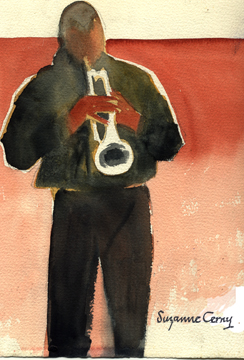
The trumpets brassy power and brilliance can knock the hat off of your head as easily as its warmth and tenderness can bring a tear to your eye. Trumpeters are a specific breed and no matter how they playbe it Freddie Hubbards higher, faster, louder approach, or the casual nonchalance of Miles and Chetthey will all certainly command your attention with their characteristic swagger and confidence.
From Satchmo himselfthe first great soloist and the most influential American musician who ever livedthrough the intrepid young lions realizing the unlimited potential of jazz in the 21st century, trumpeters have been boldly leading the jazz cavalry for the last ninety years. There are hundreds of unforgettable jazz trumpet solos on recordyou can pull twelve random albums off of your shelf, dig the trumpets and make some killin lists of your ownbut here are a dozen that highlight some of the most influential modern players playing at the peak of their abilities.
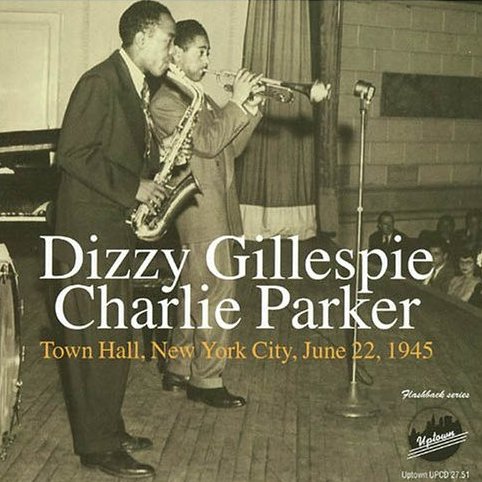
Dizzy Gillespie: A Night in Tunisia (Live at Town Hall, 1945)
Track
A Night In Tunisia
Artist
Dizzy Gillespie (trumpet) and Charlie Parker (alto sax)
CD
Dizzy Gillespie & Charlie Parker Town Hall, New York City, June 22, 1945 (Uptown Records UPCD 27.51)
Musicians:
Dizzy Gillespie (trumpet), Charlie Parker (alto sax), Curly Russell (bass), Al Haig (piano), Max Roach (drums).
Recorded: Live at Town Hall, New York, June 22, 1945.
Rating: 92/100 (learn more)
With their landmark first studio session still warm on the shelves, Dizzy Gillespie and Charlie Parker treated a New York audience with a thrilling performance of their new and innovative style of jazz, which would soon be known as bebop. Recently discovered, this live set presents Gillespie and Parker at the height of their powers. Gillespie delivers a marvelously articulate solo on his most celebrated composition, A Night In Tunisia, displaying astonishing agility and control in all registers of his trumpet. His quick-fingered, spitfire runs and harmonic eccentricities dramatically revolutionized trumpet playing, and his talent has not been surpassed since.
Reviewer: Matt Leskovic
Chet Baker: My Funny Valentine (1952)
Track
My Funny Valentine
Group
Chet Baker (with the Gerry Mulligan Quartet)
CD
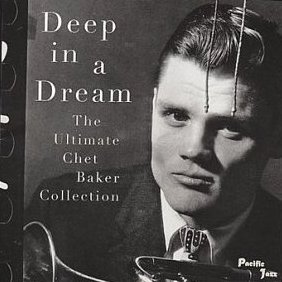
Deep In a Dream: The Ultimate Chet Baker Collection (Blue Note 35937)
Musicians:
Chet Baker (trumpet), Gerry Mulligan (baritone sax), Carson Smith (bass), Chico Hamilton (bass).
Recorded: Los Angeles, September 2, 1952
Rating: 92/100 (learn more)
Trumpeter Chet Baker was and will forever be the poster boy for West Coast cool jazz. His introverted, plaintive tone and relaxed, lyrical style was strikingly different from his fiery contemporaries such as Dizzy Gillespie and Clifford Brown. Bakers treatment of My Funny Valentine, painfully romantic and hauntingly beautiful, thrust him atop the trumpet polls in 1952. His humble interpretation of the melody creates an extraordinarily intimate atmosphere, compelling listeners to hold their breath in fear of creating the slightest disturbance. One of the most captivating and magical ballad performances in all of jazz.
Reviewer: Matt Leskovic
Miles Davis: Surrey with the Fringe on Top
Musicians:
Miles Davis (trumpet), John Coltrane (tenor sax), Red Garland (piano), Paul Chambers (bass), Philly Joe Jones (drums).
Recorded: Hackensack, NJ, May 11, 1956
Rating: 91/100 (learn more)
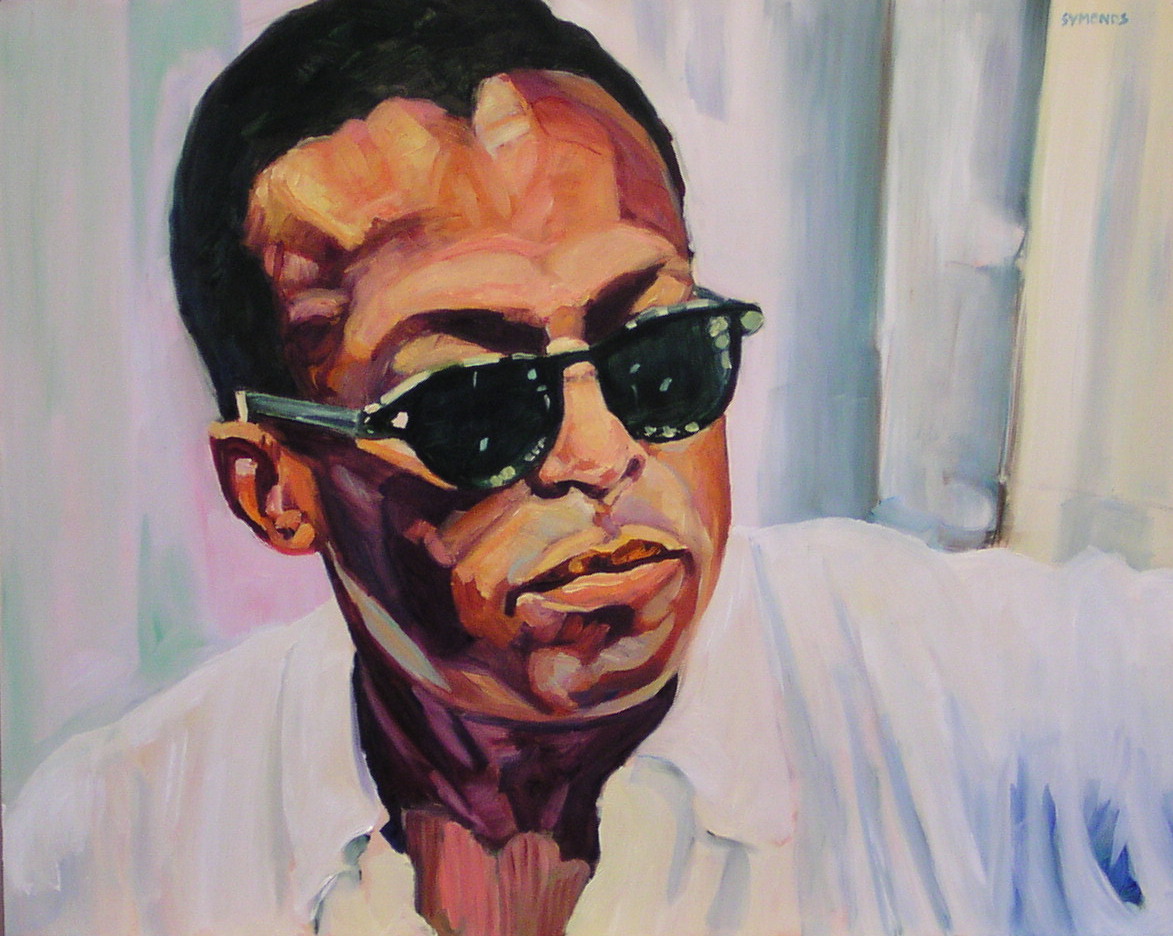
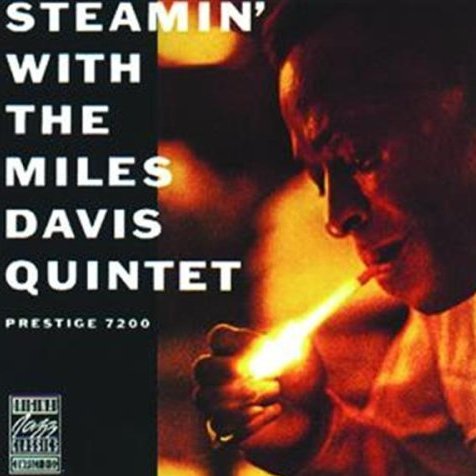
Miles Davis, artwork by Michael Symonds
With a new contract and limitless opportunities waiting for him at Columbia Records, Miles Davis cut four albums in two marathon sessions to honor his existing contract with Prestige. While the albums may have been hastily recorded, the results were nothing less than spectacular. Davis asserts himself as the ultimate melodist on Surrey With the Fringe On Top, demonstrating his astonishing ability to capture the essence of any theme and make it his own. His interpretation of the melody blends seamlessly into his spacious improvisation, during which his muted trumpet speaks with warmth and elegance and an ever-present casual coolness.
Reviewer: Matt Leskovic
Clifford Brown & Max Roach: What is This Thing Called Love
Track
What Is This Thing Called Love
Artist
Clifford Brown (trumpet) and Max Roach (drums)
CD
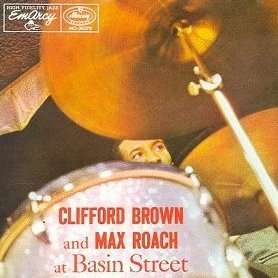
Clifford Brown and Max Roach At Basin Street (EmArcy 534391)
Musicians:
Clifford Brown (trumpet), Max Roach (drums), Sonny Rollins (tenor sax), Richie Powell (piano), George Morrow (bass).
Recorded: New York, February 16, 1956
Rating: 90/100 (learn more)
Clifford Brown had it allall the range a trumpeter could wish for, a powerful and rich tone and infallible technique. He was as fiery at breakneck tempos as he was tender on ballads. Tragically, he had not yet realized his full potential when he died in a car accident at the age of 25. Brown is heard here at his peak, explosive yet under constant control. His lines unfold effortlessly and cohesively with natural momentum and his ideas are projected with unparalleled clarity. A true gem and a necessity for any jazz enthusiast.
Reviewer: Matt Leskovic
Art Blakey: Moanin'
Track
Moanin'
Group
Art Blakey and the Jazz Messengers
CD
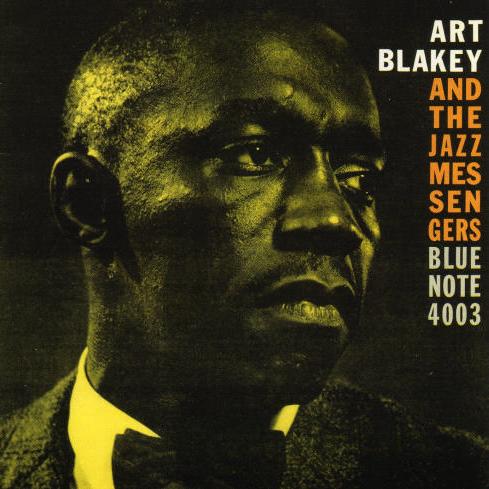
Moanin (Blue Note 95324)
Musicians:
Art Blakey (drums), Lee Morgan (trumpet), Benny Golson (tenor sax), Bobby Timmons (piano), Jymie Merritt (bass).
Recorded: Hackensack, N.J., October 30, 1958
Rating: 100/100 (learn more)
For decades, Art Blakeys Jazz Messengers was a breeding ground for hard-bop talent. Countless numbers of future superstars honed their skills and cut their teeth in the drummers powerfully swinging group. 20-year-old Lee Morgan replaced Bill Hardman in 1958 and made a startling initial impression on Moanin, the opening track from his first recording with the Messengers. Undoubtedly one of the greatest trumpet solos of the modern era, Morgans famous, brilliantly self-assured opening exclamation solidified his status as the next great trumpet hero. With his crisp and funky licks in the A sections contrasted by elongated, linear phrases over the bridges, Morgans improvisation is not only astounding in content but in its structure as well. Displaying brilliance well beyond his years, the young trumpeters pomposity and dazzling technique is balanced by his strong blues sensibility and fluid lyricism. This crucial hard-bop classic is absolutely essential to any jazz collection.
Reviewer: Matt Leskovic
Ornette Coleman: Eventually
Musicians:
Ornette Coleman (alto sax), Don Cherry (trumpet), Charlie Haden (bass), Billy Higgins (drums).
Recorded: New York, May 22, 1959
Rating: 90/100 (learn more)
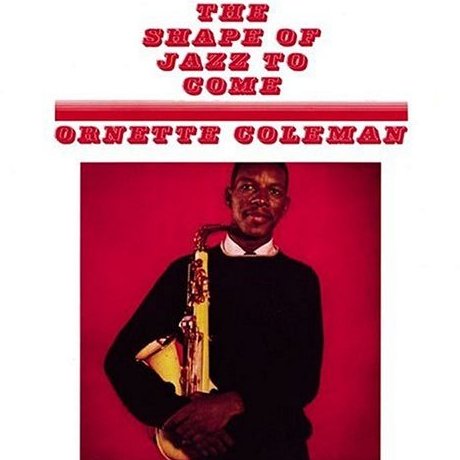
Ornette Colemans pianoless quartet stunned the jazz world when they opened at the Five Spot in New York in 1959. Their open and free sound defied harmonic and rhythmic conventions, leaving listeners either bewildered or thrilled, but captivated regardless. Don Cherry sounds like no previous trumpeter. His stuffy tone and questionable technique are compensated by the freshness of his ideas. There is a sense of discovery in all he plays and he continually surprises, leaving the listener hanging on every notewaiting eagerly to see what he will do next. A unique soloist on a groundbreaking album.
Reviewer: Matt Leskovic
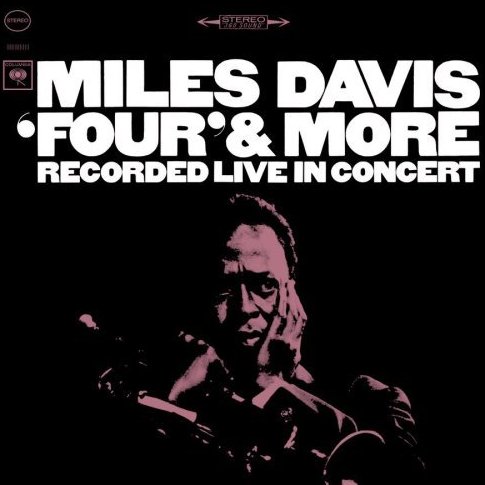
Miles Davis: So What (1964 version)
Musicians:
Miles Davis (trumpet), George Coleman (tenor sax), Herbie Hancock (piano), Ron Carter (bass), Tony Williams (drums).
Composed by Miles Davis
.Recorded: New York, February 12, 1964
Rating: 94/100 (learn more)
Miles Davis, artwork by Michael Symonds
In 1963, Miles Davis reinvigorated himself by forming a new quintet with younger, energetic, progressive-minded musicians. They stretched the boundaries of hard bop with harmonic and rhythmic adventures, yet maintained a ferocious sense of swing. With his new rhythm sectionespecially drummer Tony Williamslighting a fire beneath him, Davis responds with fierce and blazing intensity of his own. His solo on this live version of So What is filled with sudden screams into the high register, snaking lines and deceptive starts and stops. Davis confronts and conquers his own limitations, and his playing is volatile and thrilling.
Reviewer: Matt Leskovic
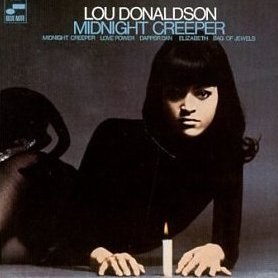
Lou Donaldson (featuring Blue Mitchell): Midnight Creeper
Musicians:
Lou Donaldson (alto sax), Blue Mitchell (trumpet), Dr. Lonnie Smith (organ), George Benson (guitar),
Leo Morris (drums)
.Recorded: Englewood Cliffs, NJ, March 15, 1968
Rating: 82/100 (learn more)
The partnership between trumpeter Blue Mitchell and alto saxophonist Lou Donaldson is one of the more undervalued in jazz history. The pair made a string of solid, funky soul-jazz recordings in the late 1960s, and none is finer than Midnight Creeper. Their focus was less on the pyrotechnical fireworks that dominated the previous 20 years of recorded jazz and more on bringing their music back to its rootsthe blues. Mitchell plays with trademark consistency and control on the title track, patiently constructing his solo through motivic development with a laid-back sense of soulful swing.
Reviewer: Matt Leskovic
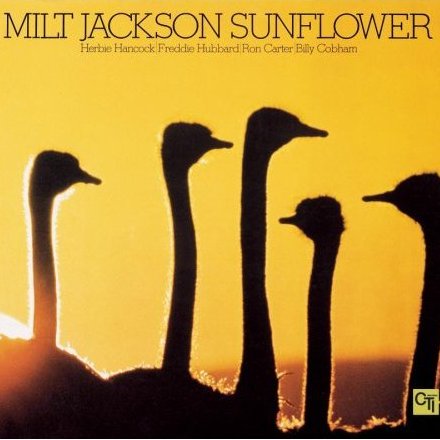
Milt Jackson (featuring Freddie Hubbard): People Make the World Go Round
Musicians:
Milt Jackson (vibes), Freddie Hubbard (trumpet), Herbie Hancock (piano), Ron Carter (bass), Billy Cobham (drums).
Recorded: Englewood Cliffs, NJ, December 12-13, 1972
Rating: 88/100 (learn more)
Creed Taylors CTI label is often given the dubious distinction of spawning Smooth Jazz in the 1970s with its sometimes overbearing studio production and excessively lush orchestrations. Regardless, the label signed jazzs brightest stars to its roster and generated some of the finest jazz-funk tracks ever recorded. CTI struck a balance between the creative and the marketable, presenting highly artistic and sophisticated jazz with sexy, slick commercial appeal. Freddie Hubbard, one of CTIs most recorded stars, is at his bluesiest on this earthy, funky cut. The groove is infectious and listeners will find themselves inspired for repeated listenings.
Reviewer: Matt Leskovic
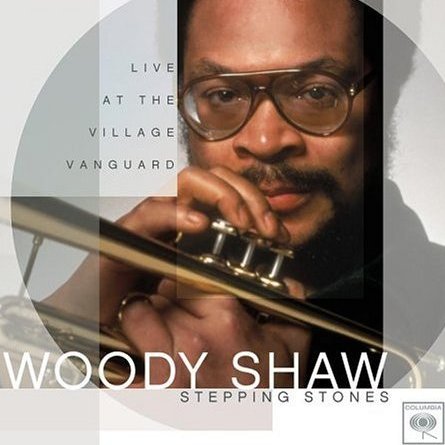
Woody Shaw: Escape Velocity
Musicians:
Woody Shaw (trumpet), Carter Jefferson (tenor sax), Onaje Allan Gumbs (piano), Clint Houston (bass), Victor Lewis (drums).
Recorded: New York, August 5-6, 1978
Rating: 85/100 (learn more)
Woody Shaw is one of the great overlooked trumpeters in jazz history. He bridged the gap between hard bop and the avant-garde, intently applying the harmonic inventions of John Coltrane to the trumpet. Shaw assembled one of the greatest post-bop groups in the late-1970s, and his men proved jazz had never died during this engagement at the famous Village Vanguard. Cerebral yet passionate, Shaw burns throughout this solo and inspires his band to follow suit. His intensity never wanes, and listeners will be awed by the complexity and density of his harmonic excursions.
Reviewer: Matt Leskovic
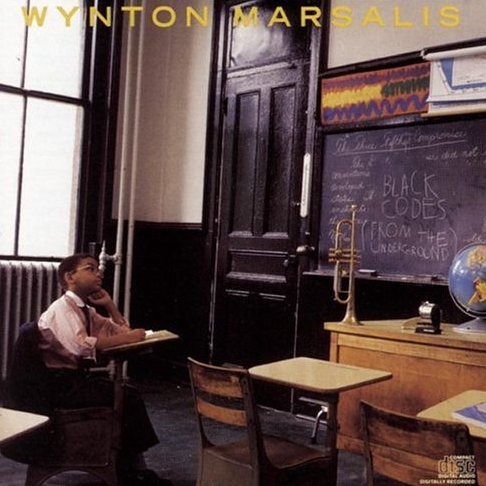
Wynton Marsalis: Delfeayo's Dilemma
Track
Delfeayo's Dilemma
Artist
Wynton Marsalis (trumpet)
CD
Black Codes (From the Underground) (Columbia CK 40009)
Musicians:
Wynton Marsalis (trumpet), Branford Marsalis (tenor sax), Kenny Kirkland (piano), Charnett Moffett (bass), Jeff "Tain" Watts (drums).
Recorded: New York, January 11-14, 1985
Rating: 85/100 (learn more)
On Black Codes, then 23-year-old Wynton Marsalis shakes the all-too-apparent influences of his earlier years to expand on his developing, signature style. Unlike his previous recordings, Marsalis relies less heavily on technical virtuosity and more on his darkened tone and lyrical delivery. He flexes his compositional muscles as well, with six of the seven tracks coming from his pen. The rest of the group is in superb form, with inspired solos and intense, sympathetic interaction throughout. This is an important recording in the Marsalis discography, one which showcases the trumpeter during his formative years.
Reviewer: Matt Leskovic
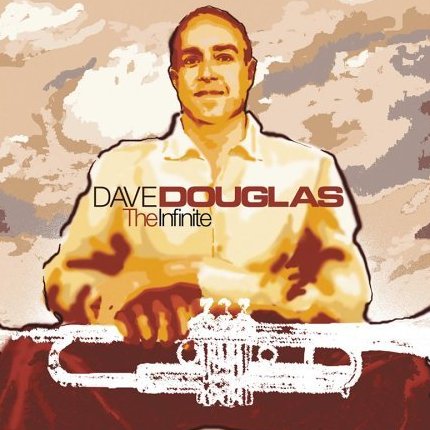
Dave Douglas: Poses
Musicians:
Dave Douglas (trumpet), Chris Potter (bass clarinet), Uri Caine (electric piano), James Genus (bass), Clarence Penn (drums).
Recorded: New York, December 16-18, 2001
Rating: 90/100 (learn more)
Jazz musicians have traditionally turned to pop music for vehicles for instrumental improvisation. Todays progressives, however, are no longer looking to Gershwin or Porter, but to the music of groups such as the Beatles, Bjork and Radiohead, establishing new standards for a new generation. Dave Douglass sparse arrangement of Rufus Wainwrights Poses stands out as one of the most moving performances of recent years. His trumpet nods to Wainwrights pleasantly lazy vocal as he glides tenderly through the melody. Douglas establishes himself as the premier trumpet melodist of his time with an emotionally stirring performance that is rarely matched in its beauty.
Reviewer: Matt Leskovic