The Jazz.com Blog
November 26, 2008 · 0 comments
Dominique Eade at New England Conservatory
Roanna Forman covers the Boston jazz scene for jazz.com. Recently she reviewed Laszlo Gardony, Roy Hargrove, and the Berklee BeanTown Jazz Festival in this column. Below she reports on a performance by vocalist Dominique Eadean event further distinguished by a guest appearance by pianist Ran Blake, Eades colleague on the faculty of the New England Conservatory. T.G.
People like to bat around the word virtuoso. But I doubt Dominique Eade would bat around anything; shes too well mannered. Shed simply show youwith her multi-octave and fluidly maneuvered range, impeccable intonation, and instrumentalists command of bebop, classical, and contemporary musicthat she merits that moniker bigtime.
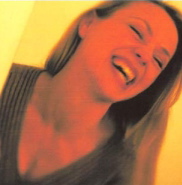
Eades recent New England Conservatory faculty recital was actually six concerts, featuring six different aspects of this versatile singer. Her first set with NEC student, bassist Aryeh Kobrinsky balanced post-bop jazz with quirky country tunes. Opening with an a cappella Appalachian-sounding meditation on a city spring day, Eade then interpreted Coltranes Your Lady. Sounding like a soprano sax with bluesy overtones and an African bottom, she wrapped Coltrane and McCoy Tyner into her intricate, imaginative solo. In My Hands, singer-song writer Tony Scherrs sarcastic send-up of a country love song (Im stuck out here like a weather vane, while I squeak in the rain) brought out soulful Ray-Charles throaty phrases that I first heard in Eades version of Hear We Go Again. After doubling with long smooth, bass lines, she moved her solo far up in her range, well beyond the octave above high C, before taking the song out.
During the next set of standards with guitarist and Berklee College faculty member Jon Wheatley, Eade found rhythmic interstices, linear motion, and rich embellishments that perked up old chestnuts like East of the Sun. Backed by Wheatley, whose fluency belies the difficulty of the lines he plays, Eade brought the mundane verse of Im Glad there is You to life, blending an occasional Sarah Vaughn lick with her own sexy, nuanced phrasing. In a tango arrangement of Faurs Au Bord de LEau, a bucolic tone poem about romantic love, Eades classical timbre shone on certain phrases, something Ive been curious to hear in her voice, which is primarily a very clean, precise jazz instrument.
Next, Eade brought out a trio, adding intensity, volume, and punch to a set of original songs. Pianist Tim Ray, whose recording dates run the gamut from Lyle Lovett to Rufus Reid, joined bassist John Lockwood and Yoron Israel. (Note: Lockwood and Israel also work with pianist Laszlo Gardonysee my review here.) Eades dense and winding lyrics in this set, on songs like Everything at Once, which is about unleashing possibilities, and the poignant, loving A Thousand Fold, show the self-professed influence of Joni Mitchell.
John Lockwoods rolling groove and blues-accented gentle solo on A Thousand Fold was the perfect set-up for Lockwood and Eades signature rendition of Gershwins But Not for Me, which the two musicians play every time they perform together. Counting the tune off at a clip, she and Lockwood raced through melody, scat and bass solo like a lion dancing with a bumblebee. On the The Narrows, Eade fronted the bands driving energy with percussive vocal improvisation, showing traces of Betty Carter (another one of Eades influences). The song, a metaphor for successfully negotiating lifes chaos, ends with a wave-like, quickly resolved swell.
Changing both wardrobe and style dramatically after the intermission, Eade traded her kicky red and gray peasant dress and ankle boots for black evening attire and, accompanied by the singular crashing, theatrical voicings of jazz great Ran BlakeEades mentor and colleague at NECshe sang their set in a darkened hall. A combination of Eade and Blake originals, one standard, and Alfred Newmans theme from the provocative film Pinky, it was the highlight of the evening. Though Blake accompanied her, Eade sang independently of the pianist, as each song segued into the next one, with Blakes funereal arrangements framing the tunes like a noir camera. Eades voice was more expressive and satisfying in this setting, partly because there was nothing to distract the listeneroften not even lyrics, as she broke into vocalese. The dark stage emphasized that this singer is no front person, but a powerful instrument contributing to the overall musical sound.
Next, Eade brought out a multi-voiced version of herselfthe NEC Jazz A Cappella Vocal Ensemble, which performed her composition Before I Go with tight contemporary harmonies and gospel overtones. Eade finished the evening with two upbeat songs, choosing Tim Ray on piano, and bringing back Aryeh Kobrinsky, who had opened the show accompanying her on bass. Harmonizing with the piano, she knocked off the fast-paced head to Don Cherrys Happiness and took a joyful solo, followed by Tim Rays highly creative improvisation on the changes. Eade closed with Open Letter, written on the ink that makes things better, from her CD Open. Its a salute to all the little things that make you happy, its theme and one-line images reminiscent of Jobims Waters of March.
Dominque Eade turned 50 this year. She told the audience shed always wanted to be 50, and then see what happened next. Some hint of that may be in the most compelling moment of the concert, her performance of her song Go Gently to the Water. With Ran Blake behind her, she sang its very simple melody and direct lyricsjust a voice, all virtuosity put aside, every word and note charged with the deep feeling thats at the heart of all mature artistry.
This blog entry posted by Roanna Forman
Tags:

Comments are closed.