The Jazz.com Blog
December 03, 2008 · 0 comments
DC Celebrates Three Jazz Masters
David Tenenholtz, a regular contributor to these virtual pages, reports on a Washington, D.C. event celebrating three jazz legends linked to the nation's capital. Two of them, Duke Ellington and James Reese Europe, are long departed from the scene. But the third member of the triumvirate, Dr. Billy Taylor, showed up and helped entertain at his own party. Read on . . . T.G.
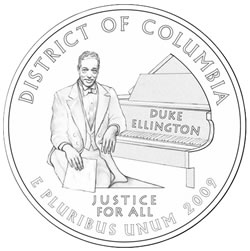
Scores of tourists visited our nations capital this year to see The Declaration of Independence, tour the White House, or view the historic monuments to our Presidents. Most of these visitors probably missed the fact that Washington, D.C. gave rise to numerous major figures in jazz history. With a nine-day festival that illuminated D.C.s historic relationship to jazz, The John F. Kennedy Center for The Performing Arts aimed to highlight the achievements of some of the jazz legends that influenced this city. The program included an event called D.C. and The Duke featuring the National Symphony Orchestra Pops under the direction of Marvin Hamlisch. The concert paid tribute to three leading lights of jazz who were either born in D.C. or spent their formative years there. Works by Duke Ellington, James Reese Europe, and Billy Taylor were featured in the opulent Kennedy Center concert hall where the NSO Pops shared the stage with The Jazz Ambassadors of The U.S. Army Field Band.
Ellingtons classic music received an extended treatment in an opening medley, which brought all of his most accessible elements together. As they navigated through Dukes hits like Sophisticated Lady, Dont Get Around Much Anymore, and Caravan, members of the Jazz Ambassadors channeled the lush ballad sound of Harry Carney, and gutbucket plunger work of Tricky Sam Nanton and Cootie Williams. A series of well-conceived sax section features displayed the powerful sound of the reeds.
Always informal and friendly to audience members, conductor Marvin Hamlisch joked with children in the front rows and asked everyone How much turkey do you still have? He examined the medals of service on the chest of Jazz Ambassadors director Chief Warrant Officer Gordon K. Kippola, and asked how he got all of them, to which Kippola responded jokingly: They came with the suit! With the crowd warmed up by the shtick, Hamlisch then took a moment to read from note cards as he gave a brief bio of Billy Taylor, who serves as Artistic Director for Jazz at The Kennedy Center.
After the light dosing of Ellington favorites that started the program, Hamlisch and company moved on to James Reese Europe selections. The Ambassadors and orchestra performed Hey There (Hi There!) that blended light classical string orchestration and militaristic press rolls from the drums, with moments clearly inspired by John Philip Sousas The Stars and Stripes Forever. The second and final Europe selection, All of No Mans Land Is Ours, featured a male vocal soloist, while the Ambassadors provided feathery and danceable swing.
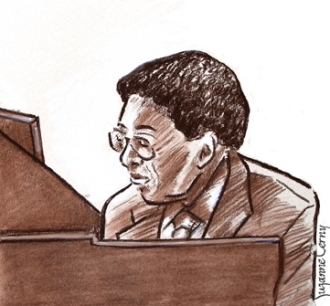
Pianist Christian Sands, Taylor's 19-year-old protg, was the featured soloist to deliver Taylors Suite for Jazz Piano and Orchestra. This fitting choice included the bop elements of Taylors roots, along with the inspiration from Latin jazz that figured in his later career. Joined by Taylors long-time trio companions, Chip Jackson on bass, and Winard Harper on drums, the youthful Sands went for broke and ultimately succeeded. He worked through the boppish melody with total control of fast octave runs, and dug into the piano keys with locked hands. His solo contained bluesy elements followed by an extended ad lib section that left him alone to explore the pianos full expressive range. This young man made it all seem easy as he filled his phrases with chromatic flourishes and well-built left hand bass accompaniment la Phineas Newborn.
In addition to the tremendously gifted Sands, another highlight was Afro Blue, a vocal jazz ensemble from D.C.s own Howard University. This group of professional vocalists in training presented challenging arrangements of Taylors songs If You Really Are Concerned (Then Show It) and Its a Matter of Pride, dedicated to Dr. Martin Luther King, Jr. The blend of this group was exceptional as they navigated tight harmonies, and multiple sections alternating between funk-oriented groove and jazz balladry. Clarity, precision, and a feeling for the music made Afro Blue a delight to hear and a welcome addition to the program.
At the start of the second half of the show, Dr. Taylor surprised the unsuspecting audience with an appearance on stage. Sitting down at the piano, he began playing his most well-known piece I Wish I Knew How It Would Feel to Be Free. After his statement of the melody, he was joined again by Afro Blue as well as the Ambassadors and orchestra providing the gospel accompaniment. With this many musicians, the texture was thick, but well balanced. Shining out was vocal soloist and director of Afro Blue, Connaitre Miller.
Fitting for this crowd of un-initiated concert-goers, the program helped offer a deeper appreciation for Dr. Taylors contributions to music, while also giving nods to the important figures that put Washington on the map of jazz. It was a joyous occasion to witness the good-spirited Taylor on stage, who no doubt felt the pleasure of having his music featured so prominently alongside Ellington and Europe. However, the programs second half could have revisited more Ellington and Europe works. Instead, the emphasis on accessibility seemed to force Hamlisch into including a prolonged medley of Count Basie hits, followed by the full version of Benny Goodmans Sing, Sing, Sing.
Those last two jazzmen, although they have contributed vastly to the treasure trove of big band Swing, have precious little to do with jazz in the nations capital. Despite losing steam with this section, as Hamlisch aimed to please, he made efforts to educate this audience. Hamlisch offered a quick synopsis of improvisation, saying the purpose was To play what youre feeling at that very moment. He then closed the program with a blues jam that showed off the improvising skills of a few hand-picked NSO musicians and members of the Jazz Ambassadors, as well as Sands at the piano. With this lesson, the D.C. crowd received an amusing and stylish dollop of this music that serves as an equally vital national treasure.
This blog entry posted by David Tenenholtz
Tags:

Comments are closed.