The Jazz.com Blog
September 10, 2009 · 0 comments
Regina Carter at Tanglewood
Half ethnomusicology lecture, half concert, Regina Carter's performance was significant on many levels. It introduced audiences African music, through field recordings she played and with her own interpretations. Searching back to the real roots of jazz, these melodies from her upcoming CD Reverse Thread, due out in January 2010, are the precursor to the blues, and the music that would develop from it.
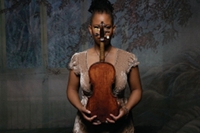
The feel was light, and at times resembled cajun or celtic music because of the instrumentation: violin, accordion, acoustic bass, and kora, a harp-like instrument made from a calabash. But those similarities to music from other continents were passing, and mostly in the solos. This music, with its simple melodies, whether infectiously joyous or quietly plaintive, is hypnotic, like the glassy smooth, "Kothbiro, by Ayub Ogada, which repeats and turns on a simple minor melody. Two things account for the trance effect: repetition, and anchoring the phrases with single notes or beats from bass and drums. Carter fell completely under its spell during performance, playing the ending to one song, then singing along with the line, finally pulling down her violin and chanting alone.
She set up her version of "This Child Will Never Walk," by playing a recording of this folk melody by Ugandan Jews which is less about a child's deformity than its lazinessthe child simply would rather be carried! It is done a cappella, and there is a drum-like quality in the singers voice; it sounds almost like a thumb harp. Bass player Chris Lightcap's arrangement transcribed the voice parts to bass and violin, with accordion harmony. After repeating the melody, Carter used harmonics to produce an eerie, high-pitched sound, and ended the song with long peaceful lines. Later, the MP3 of a brisk tune by a Madagascar accordion chorus, with the men playing instruments, and the women relegated to hand-clapping, morphed into a galloping, accordion solo by Will Holshouser and a "fiddled" solo by Carter. Some country fiddler. Regina Carter continues to have the same impeccable tone and technique, critical to sustain the mood of this kind of ensemble playing. When she did solo, she would start with simple figures, adding rhythmic variations, accents, and runs.
Perhaps the most important aspect of the concert was putting the kora on an international stage. Played with mastery by Yacouba Sissoko, this phenomenally complex and magical-sounding instrument, somewhere between a harp and a sitar, is both light and densely meshed. Bass line, fingered accompaniment and complex improvisation are all played simultaneously. On "Diamonds and Gold," a song about rejection by a woman who can't be won at any price, Sissoko's solo had a furious and diaphanous beauty. He also was the happiest musician on the stage. In green native attire, he would smile at Carter as if to say, "How lovely to be here making this music with you."
This blog entry posted by Roanna Forman. For links to the rest of Formans coverage of the festival, click here.
Tags:

Comments are closed.